Introduction
Walk around any car boot sale and you will quickly notice that some items appear again and again. These are the things most households have owned at some point, from must-have gadgets to popular children’s Christmas presents and everyday DIY tools.
Because they are so common, buyers are used to seeing them and often expect low prices. Understanding which items fall into this category helps you manage expectations and decide how best to present or bundle them.
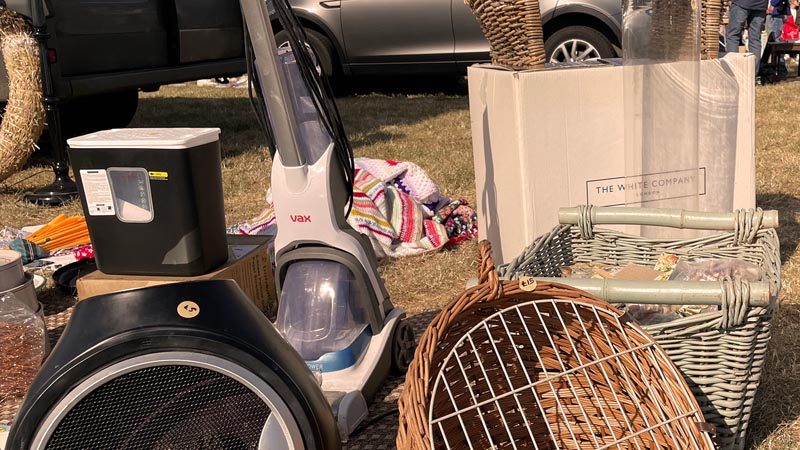
Household gadgets and past trends
Many stalls include gadgets that were once popular but are no longer widely used. These items were often bought with enthusiasm and then stored away once newer alternatives appeared.
Examples include small kitchen appliances, older electronic accessories, and novelty devices. While they may still work perfectly well, demand is usually limited unless the item has a specific use or appeal.
Selling these successfully often comes down to:
- Keeping them clean and complete
- Demonstrating that they work if possible
- Pricing them low enough to encourage quick sales
Children’s toys and gifts
Children’s toys are another category that appears at almost every boot fair. Many of these were once popular presents but have since been outgrown.
You will often see:
- Plastic toys and playsets
- Board games with varying levels of completeness
- Soft toys and general children’s items
Condition and completeness matter more than anything else. A clean, tidy toy with all its parts will always attract more attention than a mixed box of incomplete items.
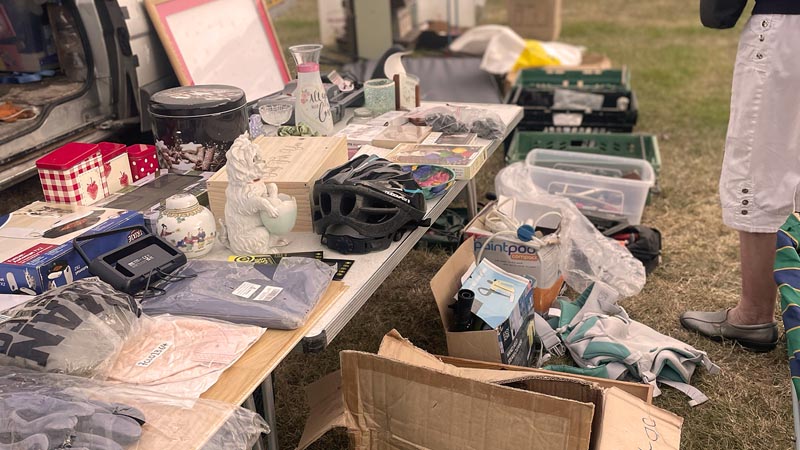
Dvds, cds and books
Media is one of the most common categories across all stalls. Most sellers have a collection of DVDs, CDs, or books they no longer need.
While these items are easy to display, they are also widely available, which keeps prices low. Buyers tend to browse casually and pick up items only if they are clearly priced and in good condition.
Organising them neatly, either in rows or small boxes, makes browsing easier and can improve your chances of making multiple small sales.
Diy tools and equipment
DIY tools are a regular feature at boot fairs because many households accumulate them over time. These are often sold after a project is completed or when tools are upgraded.
Common items include:
- Tile cutters
- Plumbing tools such as pipe cutters, spanners, and adjustable wrenches
- Hand tools like screwdrivers, hammers, and saws
- Basic electrical tools and testers
Buyers are usually practical and know what they are looking for. Tools that are clean, functional, and not heavily worn are more likely to sell. Grouping similar tools together can also make your stall easier to browse.
Clothing basics
Everyday clothing is another category that appears in large quantities. Unlike vintage or designer pieces, these items are typically sold at low prices.
You will often see:
- T-shirts, jeans, and jumpers
- Children’s clothing bundles
- Seasonal items such as coats or summer wear
Presentation makes a difference. Folded stacks or a simple rail can help items look more appealing than a pile on a table.
How to handle common items
Because these items are so widely available, the key is to be realistic. Buyers will compare your prices with other stalls and expect similar or better value.
A few practical approaches:
- Price to sell rather than hold out for higher offers
- Bundle similar items to increase value
- Keep your display tidy and easy to browse
- Accept that some items may not sell and plan accordingly
Checklist before the sale
- Sort common items into clear categories
- Check condition and remove anything broken
- Clean items where needed
- Price competitively based on typical boot fair ranges
- Decide which items to bundle for quicker sales
Recognising items that are always present at a boot fair helps you approach selling with the right expectations. With sensible pricing and clear presentation, even very common items can still find buyers.