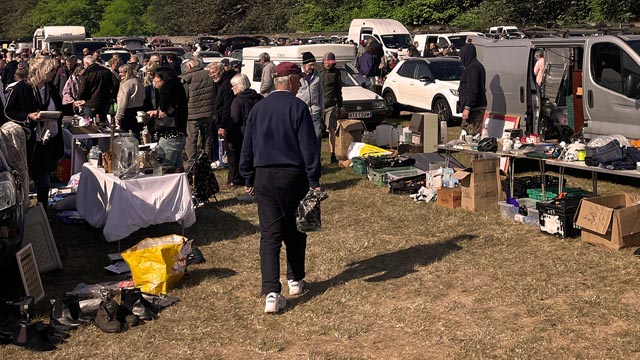
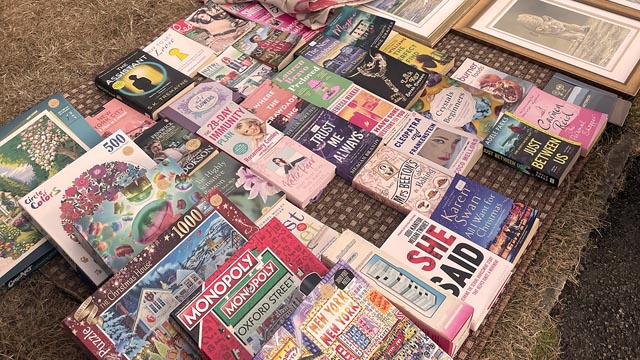
Pricing signs
Clear pricing signs save time and attract more attention from passing buyers. Many shoppers will avoid asking for prices unless they are seriously interested.
Use large, easy-to-read prices for common items and grouped stock. Handwritten signs are usually enough if they are clear.
Useful pricing sign ideas include:
- "Everything on this table £1"
- "3 for £5"
- "Books 50p each"
- "Free item with larger purchases"
Pricing signs can also reduce awkward negotiations because buyers already understand your starting point before they approach.
Even with signs, expect haggling. Negotiation is part of most car boot sales. Decide in advance where your lowest acceptable price sits for higher-value items.
Holding out for a better price depends on your priorities:
- If you want maximum value, you may reject early offers and wait
- If you want to clear space quickly, lower offers may still be worthwhile
- If you attend regularly, you may be happy bringing items back next week
- If you are clearing a loft or garage, convenience may matter more than profit
Try not to show frustration during negotiation. Friendly sellers usually attract more buyers throughout the morning.
Buyer types
Different buyers behave differently at car boot sales, and recognising them quickly can help you handle conversations more effectively.
Resellers often arrive early and move quickly around stalls. They usually know market values well and may negotiate firmly. They are looking for profit margins, so low offers are common.
Browsers are different. They tend to walk slowly, look through many items and buy based on interest rather than resale value. They are more likely to make impulse purchases or buy bundles.
Knowing the value of your items matters when dealing with both groups. If you understand roughly what something sells for online or at other boot fairs, you can negotiate more confidently and avoid accepting far less than an item is worth.
When dealing with resellers:
- Expect direct negotiation
- Know your minimum price
- Stay polite even if offers feel low
- Decide whether quick sales are worth it
When dealing with browsers:
- Keep the stall tidy and welcoming
- Allow space for people to look comfortably
- Mention related items casually
- Use visible pricing to encourage confidence
Some buyers genuinely do not know values, while others negotiate simply because it is expected at boot fairs. Staying calm and flexible usually works better than refusing every lower offer immediately.
Upselling
Upselling at a car boot sale does not need to feel pushy. The simplest approach is to suggest related items when somebody is already interested in buying something.
If a buyer picks up a toy, you can mention matching accessories nearby. If somebody buys kitchen items, point out similar pieces or extra utensils. Buyers are often happy to add low-cost extras if they feel useful or convenient.
This works best when your stall is organised clearly. Keep similar items together so buyers naturally notice additional things they may want.
Upselling should stay casual. Most people at boot fairs are browsing for bargains, so short suggestions usually work better than long sales pitches.
Bundling
Bundling is one of the easiest ways to increase sales while helping buyers feel they are getting good value.
Instead of pricing every low-value item individually, combine related items into simple deals. Examples include:
- Books by the same author
- Children's clothes in similar sizes
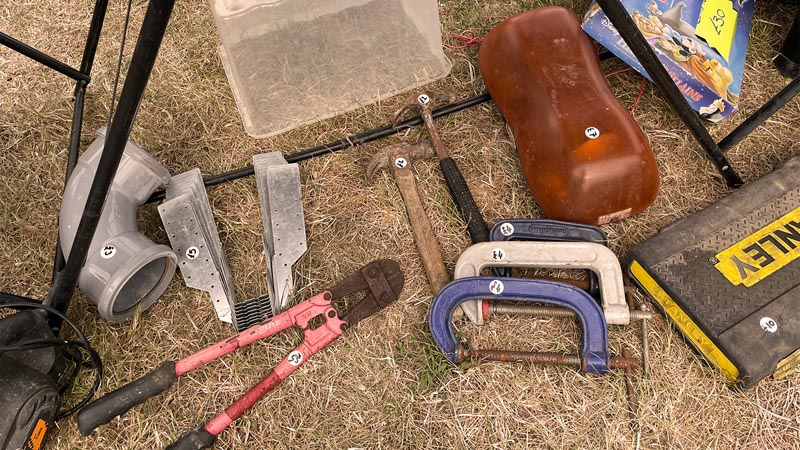
- Tool bundles
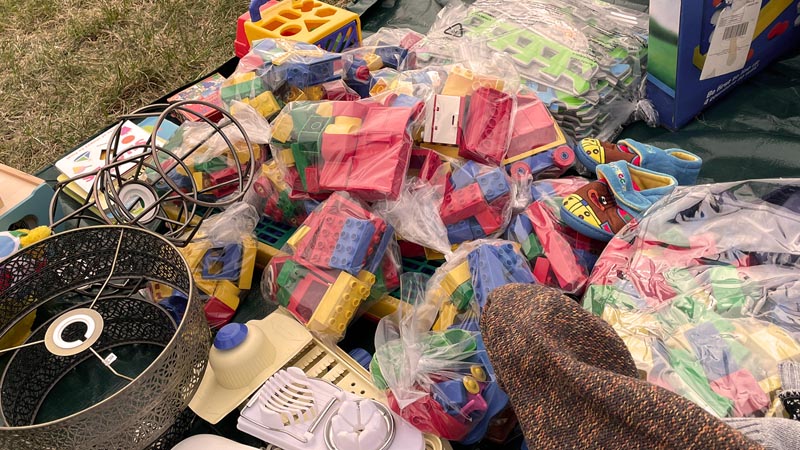
- Mixed toy bags
- Kitchen utensil sets
A bundle can also help clear slower-selling stock. Buyers may ignore single low-cost items but happily buy several together for one price.
When bundling, think about your goal for the day. A weekly seller who attends regularly may be happy to take unsold stock home for another week. A one-off loft clearance seller may prefer lower bundle prices to reduce how much needs to go back into storage afterwards.
Keep bundles simple and clearly visible. If buyers have to ask too many questions, they may move on.
Time of day
The time of day changes how buyers behave and how you should price items.
Early morning usually attracts serious buyers and resellers searching for the best stock before others arrive. This can be the best time to sell valuable or unusual items at stronger prices.
Mid-morning often brings casual shoppers and families. This is usually the busiest browsing period, so keeping your stall tidy and approachable matters most.
Towards the end of the day, priorities often change. Many sellers prefer not to take large amounts of stock home again, especially bulky or low-value items.
Late-day selling techniques can include:
- Lowering prices visibly
- Offering multi-buy deals
- Creating clearance boxes
- Giving away low-value extras with purchases
- Accepting reasonable offers more quickly
If your main aim is clearing space, the final hour can be useful for aggressive discounts. If you sell regularly, you may choose to pack up better-quality stock and try again at the next boot fair instead.
A flexible approach throughout the day usually works best. Early on, you can hold firmer on price. Later, you can focus more on clearing remaining items efficiently.