Price to haggle
Most car boot sale buyers expect a bit of negotiation. If you price everything at your absolute minimum, you leave yourself nowhere to go when somebody asks for a lower price.
A common approach is to start slightly higher than the amount you would actually accept. This gives buyers the feeling they are getting a deal while still helping you reach a sensible final price.
That does not mean wildly overpricing items. If something is clearly unrealistic, buyers will often walk away without making an offer at all.
It also helps to think about the type of item you are selling. Everyday household goods usually attract more haggling than specialist or harder-to-find items.
Before pricing anything, ask yourself:
- Would I still be happy if this sold for slightly less?
- Is this an item people normally negotiate on?
- Does it look clean, complete, and ready to use?
- Are similar items all over the boot fair?
Small round-number prices also make selling easier. Buyers are more likely to hand over £2 than stop to discuss £2.50.
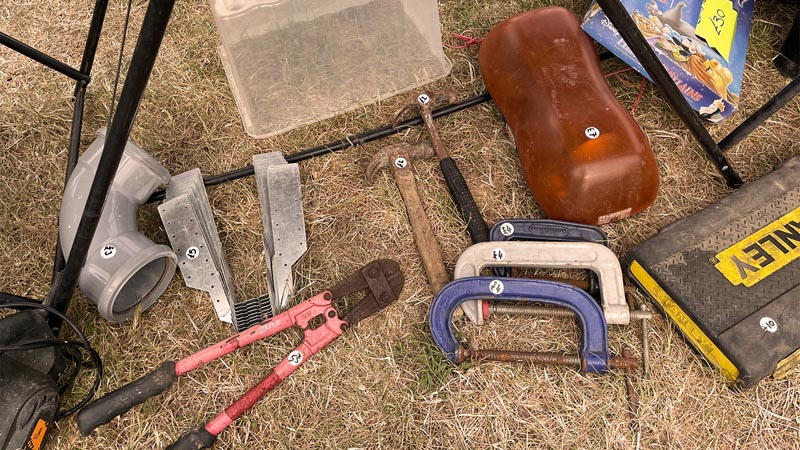
The "10-15% rule"
For many everyday car boot sale items, a rough starting point is around 10–15% of the original retail price. This is not exact, but it can help when you have no clear idea what something is worth.
For example:
- A £100 household item might sell around £10–£15
- A £20 kitchen appliance may sell around £2–£3
- A £50 coat could realistically move for £5–£8 depending on condition and fashion
This rule works best for common second-hand items that are no longer new or in demand. It gives buyers the kind of bargain they usually expect at a boot fair.
However, the percentage should not be treated as fixed. Some items hold value far better than others, while some drop below 10% very quickly.
Things that can lower the value include:
- Heavy wear or damage
- Missing parts
- Outdated styles
- Lots of similar items available
- Cheap modern replacements
Things that can increase the value include:
- Strong brand recognition
- Collectability
- Vintage appeal
- Hard-to-find items
- Excellent condition
The original cost should only be used as a guide. Buyers care far more about what the item is worth now than what it cost years ago.
Has this become more desirable?
Some items become more desirable over time, while others lose value very quickly.
Older games, tools, branded clothing, vintage kitchenware, and discontinued items can sometimes attract stronger interest than expected. Equally, items that once sold everywhere may now be difficult to shift.
One of the best ways of checking the value of something is by looking at completed online sales rather than asking prices.
Useful checks include:
- eBay sold listings using the recent sales filter
- Vinted completed or comparable listings for clothing and accessories
- Facebook Marketplace for local pricing
- Specialist collector groups if the item is niche
Looking at completed sales matters because anybody can list an item for a high amount. What matters is what people are actually paying.
Condition also changes value significantly. Scratches, missing parts, faded packaging, stains, and broken zips can all reduce what buyers are willing to pay at a boot fair.
It is also worth looking around the field once you arrive. Are there loads of these here and everybody wants to get rid of them? If so, buyers will have plenty of choice and prices usually fall quickly.
Ask yourself:
- Has this item gone out of fashion?
- Is it seasonal?
- Would somebody still use this today?
- Is it harder to find now?
- Does it still look modern and usable?
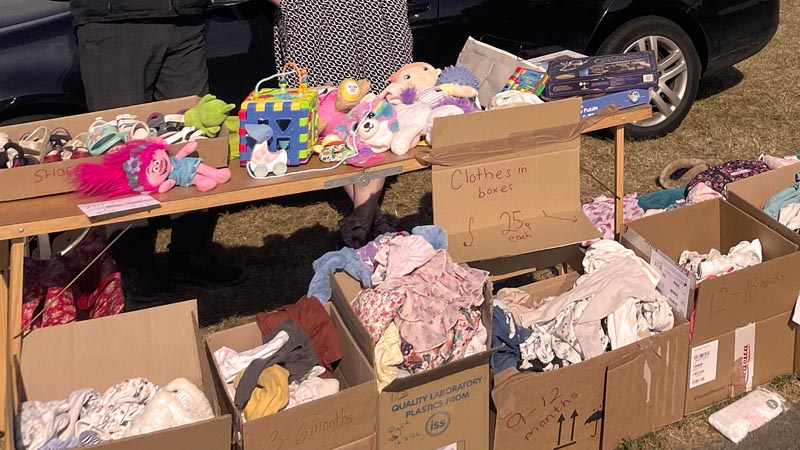
Do i just want shot of this?
Sometimes the real question is not what something is worth, but whether you actually want it gone.
Many sellers hold onto items because of sentiment or because they remember paying more for them. At a car boot sale, that thinking can make it harder to clear space and move stock.
Pass on the joy! If you have had your time with the item, it may simply be time for somebody else to enjoy it. Removing the emotional attachment often makes pricing decisions easier.
Focus on practical value instead:
- How much space is this taking up?
- Would I ever realistically use it again?
- Is storing it costing me more than selling it cheaply?
- Would I rather take home cash or take the item home again?
If the answer is that you simply want rid of it, price it accordingly. Fast-selling items help create activity around your stall and can encourage buyers to browse further.
Towards the end of the day, many sellers reduce prices heavily rather than pack everything back into the car. That is often the point where clearing space becomes more important than maximising profit.
A realistic price that gets an item sold is usually more useful than an optimistic price that keeps it sitting in the garage for another year.