Tables & display equipment
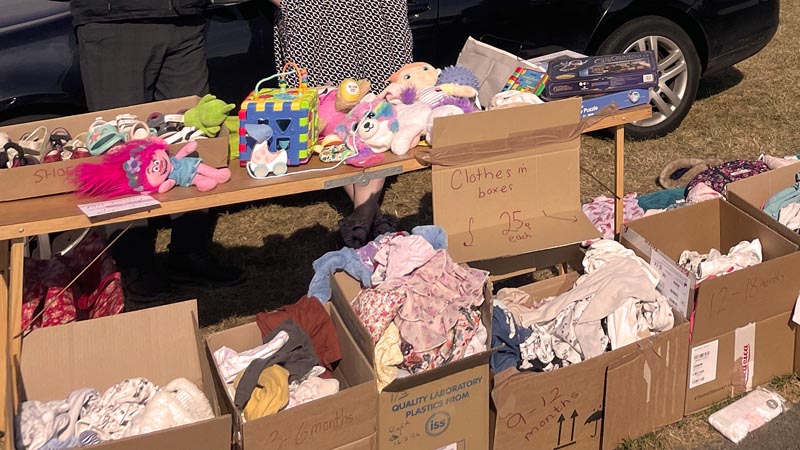
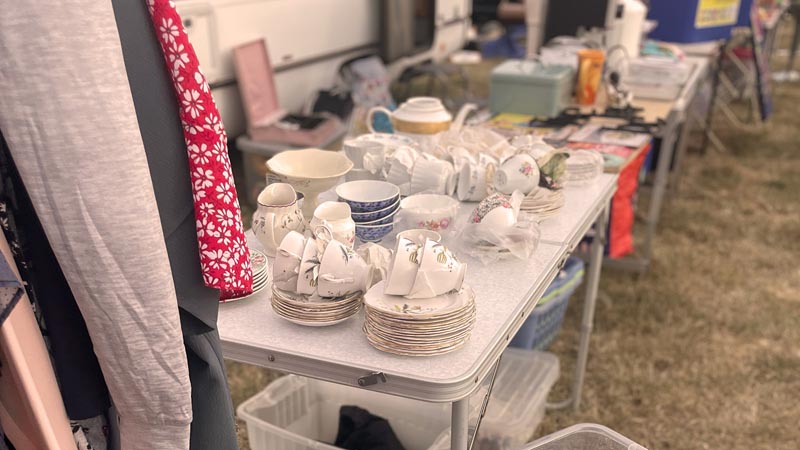
A clear, tidy display helps buyers see what you have quickly, which can lead to faster sales. If you have a table, it’s usually worth bringing one, especially for smaller or more valuable items that shouldn’t be on the ground.
Consider the following:
- A folding table for ease of transport and setup
- A clean cloth or sheet to cover the table
- Boxes or crates turned upside down to create height variation
- Rails or hangers if you’re selling clothes
- Simple signage for pricing (for example, “£1 each” or grouped deals)
If you don’t have a table, a ground sheet can still work, but try to keep items grouped and easy to browse. Avoid overcrowding; a slightly spaced-out display often performs better than a cluttered one.
Cash boxes & float
Having a reliable way to handle cash is essential. A small cash box, tin, or even a secure pouch can help you stay organised and avoid mistakes during busy periods.
Make sure you bring a float with a range of coins and small notes so you can give change without delay. Common useful denominations include:
- £1 and £2 coins
- 50p, 20p, and 10p coins
- A few £5 notes
Keep your cash close to you at all times, and avoid leaving it unattended. It can also help to separate larger notes from everyday change so you don’t accidentally hand out the wrong amount.
Wrapping and bagging items (bubble wrap, tissue paper, bin-bags)
Simple packaging materials can make a difference, especially if you’re selling fragile or giftable items. Buyers often appreciate the option to carry items away safely.
Useful items to bring:
- Bubble wrap for breakables
- Tissue paper for smaller or delicate goods
- Old newspapers as a low-cost alternative
- Carrier bags or reused shopping bags
- Bin bags for bulk purchases or protecting items from rain
You don’t need to wrap everything, but having materials ready can help close a sale, particularly if a buyer is unsure about transporting an item.
Storage & transport (boxes, bags, trolleys)
Getting your items to and from the site efficiently is just as important as selling them. Good storage keeps your stock organised and reduces setup time.
Options to consider:
- Sturdy plastic boxes with lids for protection
- Reusable shopping bags for lighter items
- Suitcases with wheels for easy movement
- Folding trolleys or sack trucks for heavier loads
Label boxes if possible, especially if you have different categories of items. This makes setting up quicker and helps you restock your display during the day without rummaging.
- Pack items in clearly labelled containers
- Keep fragile goods cushioned and separate
- Bring a trolley if you expect multiple trips
- Allow space in your vehicle for unsold items
A bit of planning with storage and transport can save time and effort, leaving you free to focus on selling once you arrive.
Float essentials:
- Mixed coins and small notes for change
- A simple way to separate denominations (dividers, coin trays, or labelled sections)
- A pen and small notepad for quick totals or holds
- A secure pocket or pouch for larger notes so they’re not on display
- Count your float at home and note the total so you can check it later
- Keep your float and takings separate to avoid confusion
- Choose a “cash handling spot” on the stall so you’re not searching mid-sale
Wrapping and bagging items (bubble wrap, tissue paper, bin-bags)
Packing materials aren’t just for fragile items — they also help buyers carry purchases and reduce breakages on the day. Keep it simple: you only need enough to protect common breakables and to quickly bag items so customers can move on.
Bin bags are surprisingly useful at boot sales. They help you keep stock dry, tidy up packaging, and deal with unexpected rain or muddy ground.
A practical packing kit:
- Bubble wrap or foam sheets for breakables
- Tissue paper or soft wrapping for glass and ceramics
- A small roll of tape (easy-tear if possible)
- A few carrier bags in mixed sizes for sold items
- Bin bags for rubbish, wet weather cover, and last-minute storage
- Pack materials where you can reach them without leaving the stall
Storage & transport (boxes, bags, trolleys)
How you bring stock to the pitch affects how fast you can set up and how neat the stall stays. Use containers that stack well and don’t collapse when lifted, and try to pack by category so you’re not rummaging while buyers are browsing.
If the car park is uneven or the pitch is a short walk from your vehicle, a trolley can save time and energy. Even without one, a couple of strong bags and manageable boxes make unloading far less stressful.
Transport and storage basics:
- Sturdy boxes or lidded tubs (stackable and easy to label)
- Strong bags for soft items (clothes, plush toys, bedding)
- A trolley or wheeled cart (if you have one) for heavier loads
- A small toolkit for quick fixes (scissors, tape, spare ties)
- A cloth or wipes for quick cleaning of dusty items
- Pack heavier items at the bottom and fragile items on top
- Label boxes by category so you can refill the table quickly
- Keep one “end-of-day” box ready for unsold items you’ll repack fast